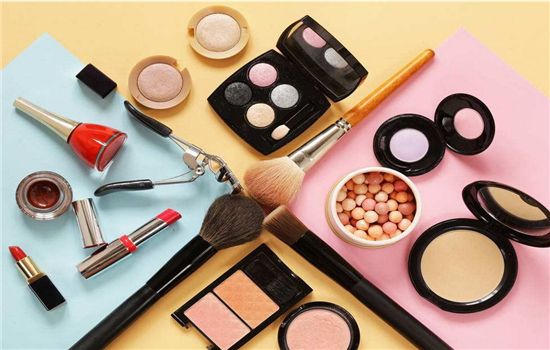
The Essential Toolkit: Choosing and Using Makeup Brushes Like a Pro
Introduction: The right tools can make all the difference in achieving a seamless and professional-looking makeup application. This post is your comprehensive guide to understanding the world of makeup brushes, from their different types and purposes to how to choose them, clean them, and use them effectively. Master your brush collection and elevate your makeup artistry.
Body:
-
Why Brushes Matter: The fundamental advantages of using makeup brushes over applicators or fingers. Discuss precision, blending capabilities, product distribution, and hygiene.
-
Brush Types Explained: Decoding the Collection: A detailed breakdown of essential brush categories and their specific uses:
-
Foundation Brushes:
-
Flat/Paddle Brushes: For a smooth, even application.
-
Stippling Brushes: For an airbrushed finish with lightweight coverage.
-
Dense Buffing Brushes: For building coverage and a seamless blend.
-
-
Concealer Brushes: Smaller, precise brushes for targeted application and blending.
-
Powder Brushes:
-
Large, Fluffy Brushes: For setting the face with translucent or setting powders.
-
Angled or Tapered Brushes: For more precise powder application, like under the eyes or in the T-zone.
-
-
Blush, Bronzer, and Contour Brushes:
-
Angled Brushes: Ideal for sculpting cheekbones with blush or contour.
-
Fluffy Dome Brushes: For softer blush application.
-
Smaller, Denser Brushes: For precise contour placement.
-
-
Highlighter Brushes: Fan brushes, small tapered brushes for precise placement on high points.
-
Eyeshadow Brushes:
-
Flat Shader Brushes: For packing color onto the eyelid.
-
Blending Brushes: Essential for softening edges and creating seamless transitions. Discuss different sizes and shapes for crease work.
-
Detail Brushes: For precise application in the inner corner, lower lash line, or cut creases.
-
Pencil Brushes: For smudging liner and detailed work.
-
-
Eyeliner Brushes: Angled liner brushes, fine-tipped brushes for precision.
-
Brow Brushes: Spoolies for grooming, angled brushes for filling in.
-
Lip Brushes: For precise lipstick application and custom blending.
-
-
Brush Materials: Natural vs. Synthetic:
-
Natural Hair Brushes: Discuss types of animal hair (e.g., sable, goat, squirrel) and their properties (softness, ability to pick up and distribute powder).
-
Synthetic Brushes: Discuss materials (e.g., nylon, polyester) and their benefits (durability, ease of cleaning, suitability for cream and liquid products).
-
-
Choosing the Right Brushes:
-
Start with the Essentials: Recommend a foundational set for beginners.
-
Consider Your Needs: Matching brush types to your preferred makeup products and desired finish.
-
Quality Over Quantity: The benefits of investing in a few high-quality brushes.
-
Feel and Balance: How a brush should feel in your hand.
-
-
Brush Care and Cleaning: Hygiene is Key:
-
Why Cleaning is Crucial: Preventing bacteria buildup, product caking, and ensuring optimal performance.
-
Regular Cleaning: How often to wash different types of brushes.
-
Cleaning Methods: Step-by-step guides for using brush cleansers (bar soaps, liquid cleansers) and proper washing techniques.
-
Drying Your Brushes: The correct way to dry brushes to maintain their shape and prevent damage.
-
Deep Cleaning: When and how to perform a more thorough cleaning.
-
-
Brush Maintenance: Tips for storing brushes and extending their lifespan.
Conclusion: A well-curated and properly maintained collection of makeup brushes can transform your application from ordinary to extraordinary. By understanding their purpose and caring for them diligently, you equip yourself with the power to create countless beautiful looks with ease and precision.